The Journey of a Tool: From Concept to Creation
Published on: 18-09-2025
Overview:
In the evolving world of manufacturing, the journey of a tool from concept to creation is a tale of transformation. This story follows a tool's path through traditional subtractive manufacturing, highlights the challenges encountered, and reveals how MFFF (Metal Fused Filament Fabrication)-based additive manufacturing revolutionises its production.
Material Selection and Initial Processing:
Our story begins in a bustling factory where engineers select a high-quality metal block for its strength, hardness and durability. This block is the raw essence of what will become a critical tool in various applications. Once chosen, the metal undergoes rigorous inspection and testing to ensure it meets stringent standards.
The Subtractive Manufacturing Journey
Precision is a necessity: Engineers meticulously craft detailed CAD models, laying out the tool's dimensions and intricate features. Each detail must be precise, as even a small error can lead to significant issues later.
Every chip counts: The journey continues as the metal block is mounted on a milling machine. Here, material is gradually removed to shape the tool. This subtractive process is delicate and time-consuming, requiring skilled operators to ensure accuracy.
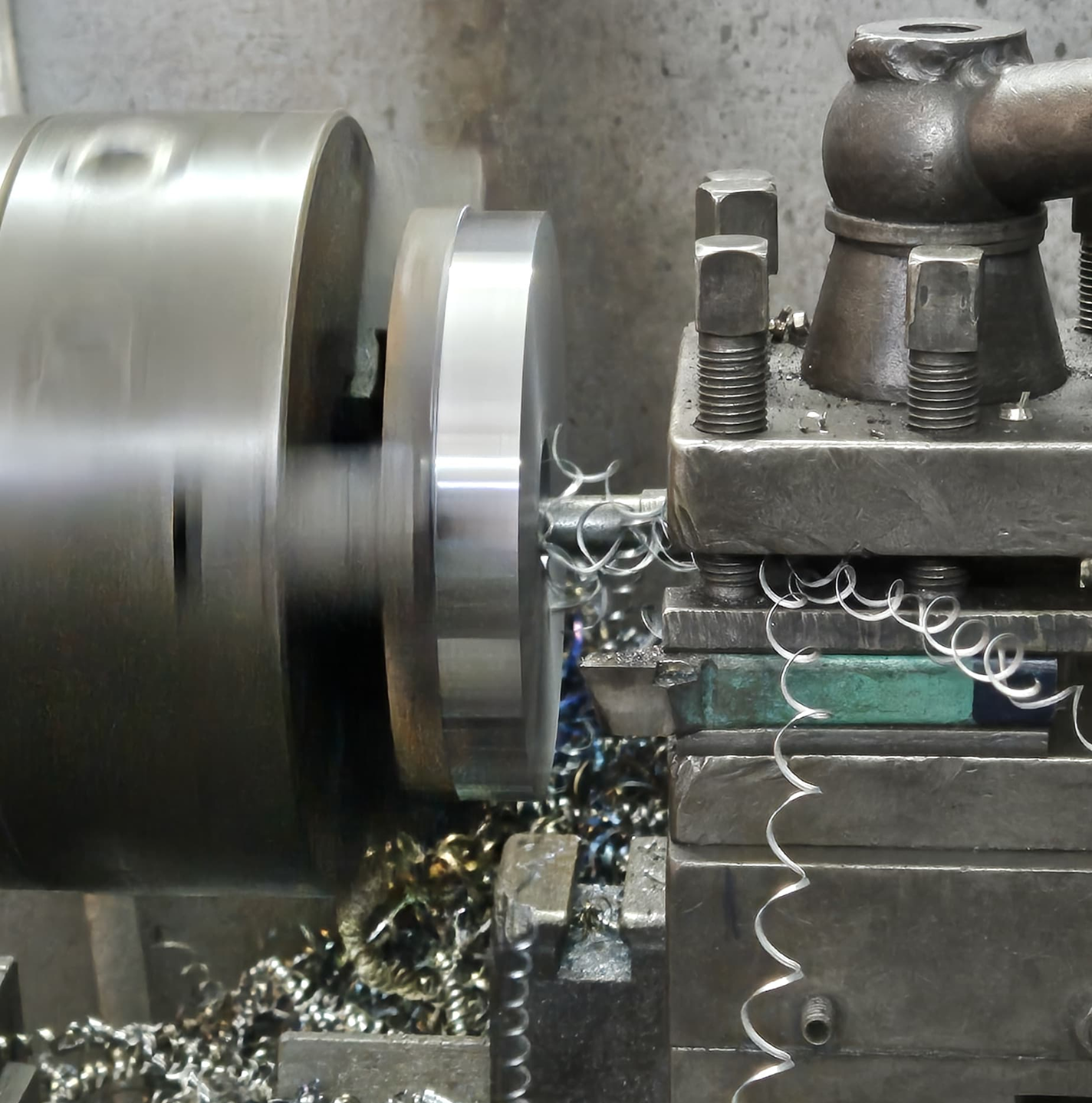
The Subtractive Manufacturing Journey
Drilling and Turning: The partially formed metal tool moves to specialised machines for drilling holes and turning. These steps add essential features such as threads and contours, but each transition introduces a potential for error and delay.
Turning good into great:The metal tool undergoes surface treatments, polishing, and final adjustments. Every step is critical to meet the exact specifications, but the process is fraught with challenges like material waste and high costs.
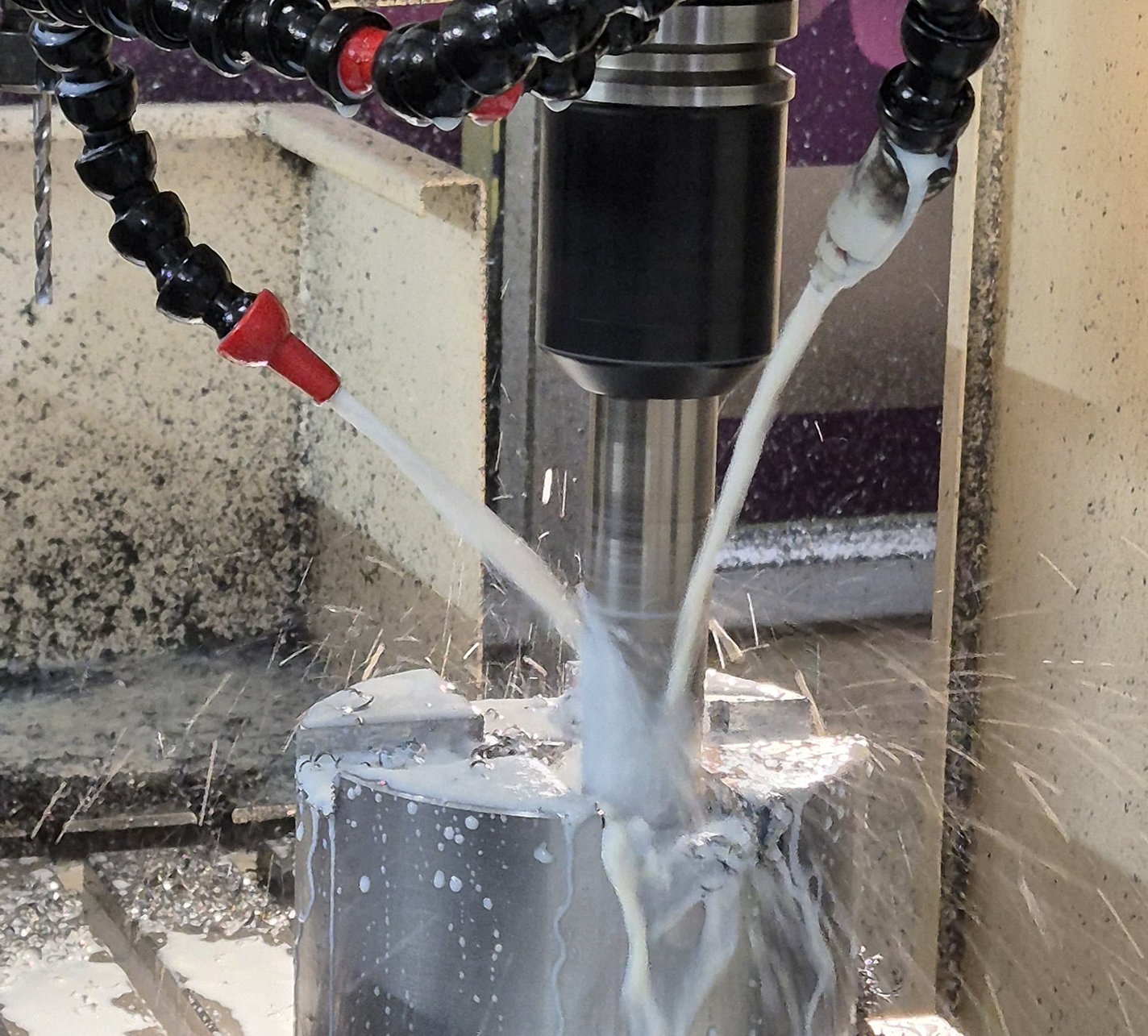
Challenges: Throughout its journey, the metal tool faces numerous obstacles:
Time and Cost: The manufacturing journey is lengthy and expensive, particularly for complex tools with detailed features.
Complexity: Each intricate geometry or design requires multiple steps and specialised equipment, complicating the process.
Material Waste: Large portions of the original metal block are discarded, leading to metal scrap waste and inefficiency.
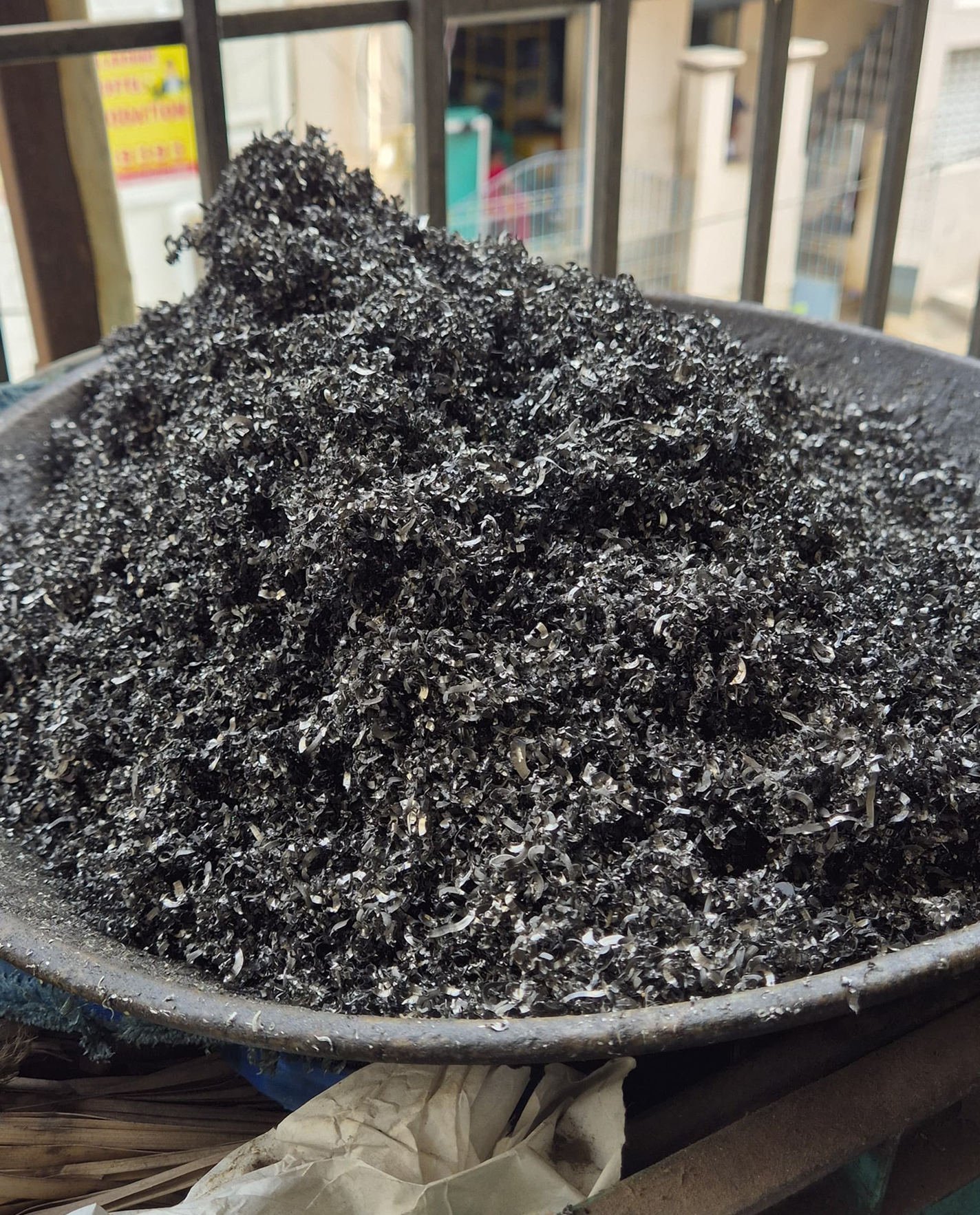
A New Path: FFF-based Additive Manufacturing: As our story reaches a turning point, we explore a revolutionary method: MFFF (Metal Fused Filament Fabrication). This innovative approach builds the metal tool layer by layer, directly from a digital model, eliminating many disadvantages of subtractive methods.
The FFF Transformation:
Dream and print: Engineers create a precise digital CAD model of the tool, incorporating all required features and specifications.
Precision in every step: The MFFF printer takes over, depositing the molten material and building the metal tool layer by layer. This method is not only efficient but also highly accurate.
Complexity made simple: Unlike subtractive manufacturing, MFFF produces minimal waste and allows for complex geometries that are otherwise difficult or impossible to achieve. The tool is ready faster and with fewer resources.
Benefits over subtractive manufacturing
Reduced Time: The MFFF process streamlines production, significantly cutting down on time.
Cost-Effectiveness: With lower material waste and reduced time and labour, MFFF proves to be more economical.
Precisely accurate: MFFF enables the creation of intricate designs with exceptional accuracy and precision, minimizing the need for post-processing.
Conclusion
The journey of a tool, from a raw metal block to a finished product, showcases the stark differences between traditional subtractive manufacturing and advanced MFFF-based additive manufacturing. By embracing metal 3D printing, manufacturers can overcome the challenges of waste, complexity, and cost, ushering in a new era of efficiency and innovation in tool production. This transformation not only enhances the tool's journey but also sets the stage for future advancements in manufacturing technology.
"In the world of manufacturing, sometimes addition is the ultimate subtraction."



Made In Bharat
@2025 by ThinkMetal. All rights reserved